
At Anzu, we’re passionate about sustainability and building on the promise of delivering eco-friendly products for your daily needs. Our main offerings mainly include unbleached bamboo tissue paper in various forms, from toilet rolls to pocket tissues. Every step of the production process is completed with green practices in mind to ensure a natural and environmentally conscious choice that aligns with our mission to protect the planet. Curious how bamboo reaches you as soft, comfortable tissue paper? Let’s walk through the unique process that delivers the products you enjoy.
Step 1 – Sustainable Harvesting
The journey begins with harvesting mature bamboo stalks, typically between three and five years old. As bamboo regenerates quickly and is sourced from well managed plantations, it’s harvested sustainably without harming the environment. This sustainable approach supports biodiversity and keeps the soil healthy.

Step 2 – Bamboo Pulping
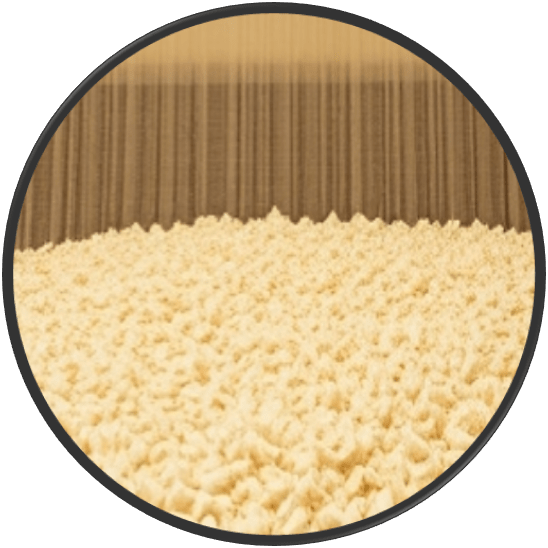
After harvesting, the bamboo is transported to the processing facility where it’s transformed into pulp—a soft, fibrous material used to create tissue. The main objective in this stage is breaking down the stalks to form fibrous pulp. Through cleaning, chopping, chemical breakdown and cooking processes, the resulting light beige pulp is prepared for the next step. The use of chemicals is reduced to limit impact on the environment.

Step 3 – Washing and Screening
The resulting bamboo pulp is washed thoroughly to remove any residual chemicals, although these are considerably lower compared to traditional pulp production. Screening then removes any larger particles, with the softest fibers collected for the next stage.
Step 4 – Forming Sheets
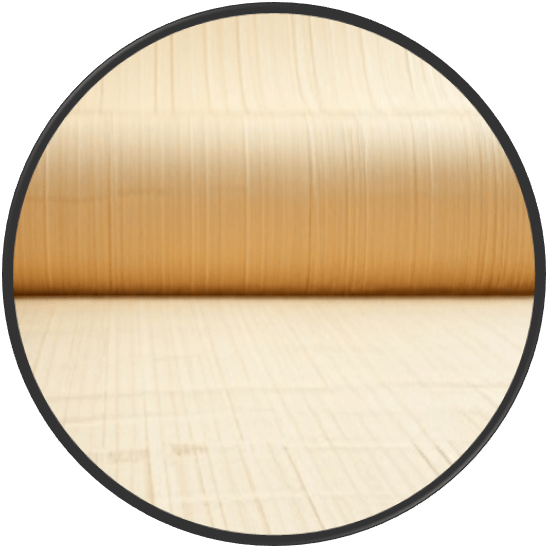
Once the bamboo pulp is ready, it’s diluted with water to create a thin mixture. This pulp mixture is spread over a fine mesh screen, allowing the water to drain away and leaving behind a delicate layer of bamboo fibers. These sheets are the foundation of the tissue paper and will be pressed and dried in the next steps.
Step 5 – Pressing and Drying
The sheet of bamboo pulp undergoes gentle pressing to remove any remaining moisture before the drying process. To guarantee the product retains natural qualities, natural drying techniques are used, reducing the need for chemical additives.
Step 6 – Rolling and Texturizing
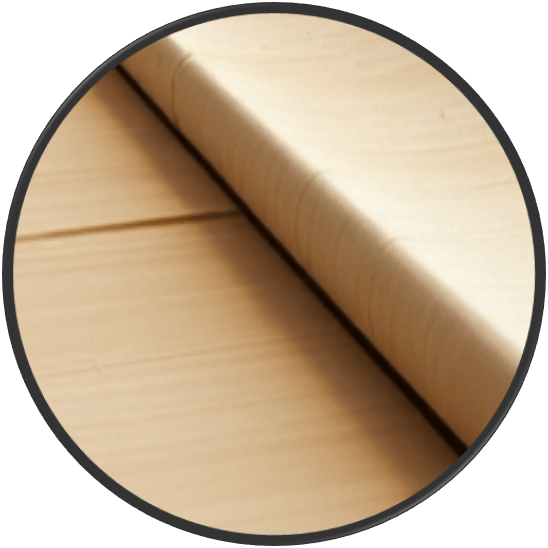
The prepared sheets are wound into large rolls called “Bamboo Parent Rolls”, after drying. A subtle texturing pattern is often added to enhance the comfort and absorbency offered by the product, in the form of embossing. The color of the tissue remains the same, as bleaching chemicals are absent.
Step 7 – Cutting and Packaging
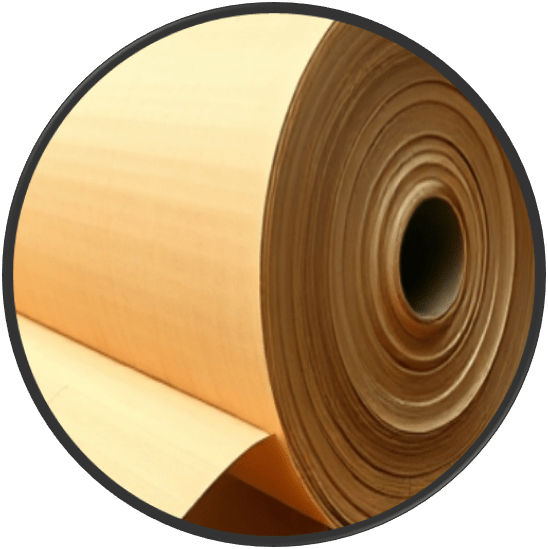
The final step of the production process is the cutting of the parent rolls into smaller rolls or sheets, as required. The packaging of the final products is done in a simple manner, echoing our commitment to reducing waste and emphasizing natural qualities.
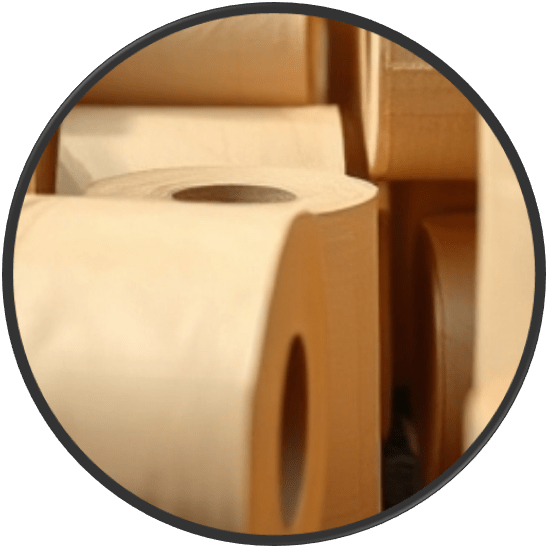
….and it’s ready!
After a long journey, the bamboo paper toilet rolls are ready to be used by you. With considerable effort dedicated to crafting the best products that we can, all of our products meet several standards while delivering on quality.
Final Thoughts
As the impact on the planet due to our choices becomes ever clear, discovering alternatives to take the next step toward a greener lifestyle becomes ever important. Anzu’s unbleached tissue products are as gentle on the earth as it is on your skin, with no compromise on quality.
Thank you for joining us on this journey from bamboo to tissue. At Anzu, we are proud to make the differences that we can and empower others to do the same. Visit our website to explore our range of products and take your next step on the path towards sustainability!
Cheers,
The Anzu team
Experience the purity of unbleached bamboo tissue for yourself! Explore Anzu’s eco-friendly, chemical-free tissue products here and embrace a more natural way to care for your home.
 Anzu Products
Leave a comment